editor_ijse@mac.du.ac.in
9818679187
e-ISSN: applied
Indian Journal of Social Enquiry

Indian Journal of Social Enquiry

Indian Journal of Social Enquiry

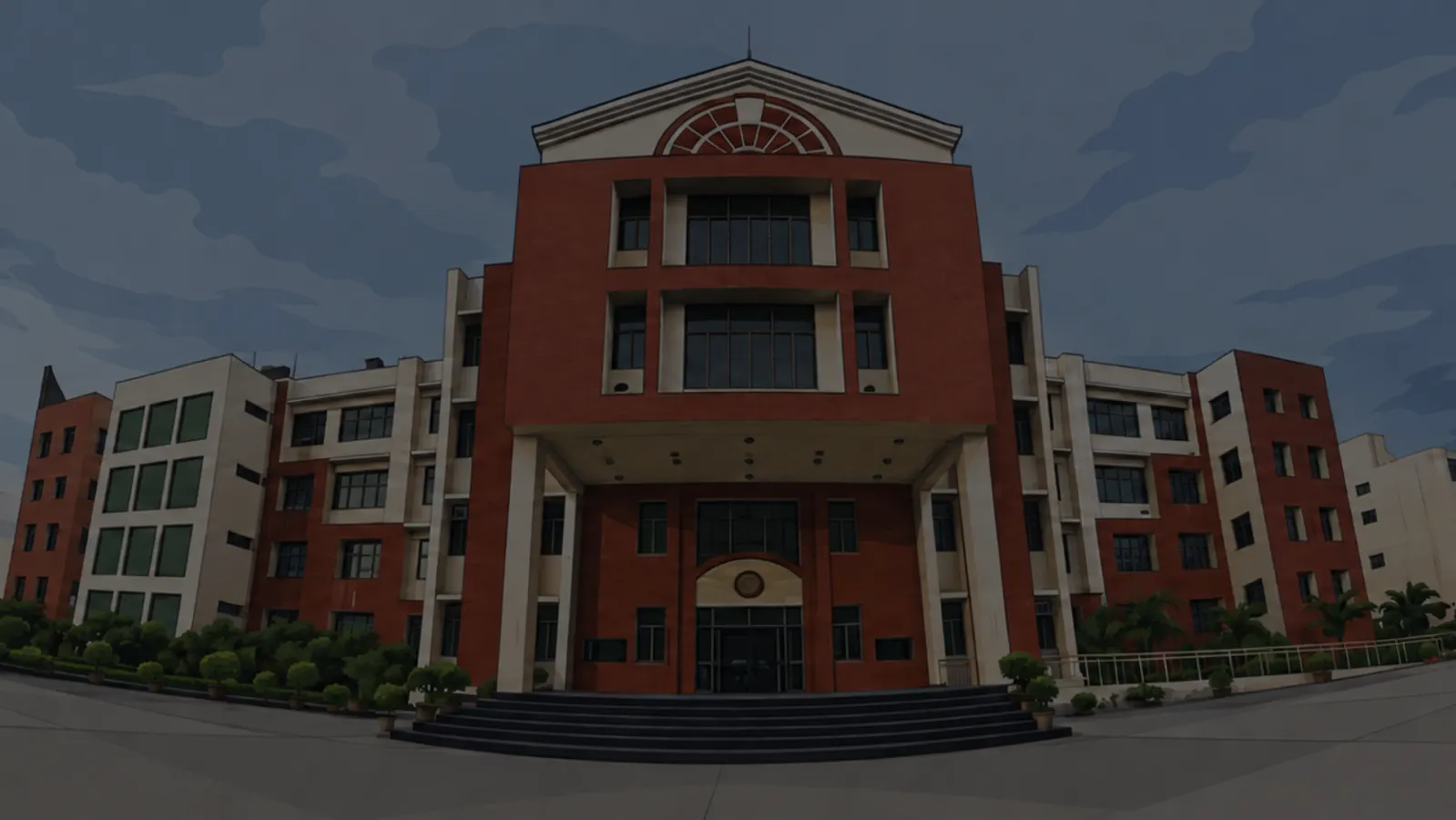
Published by Maharaja Agrasen College, University of Delhi

Advancing knowledge through rigorous peer-reviewed research across multiple disciplines. Join the global community of scholars shaping the future of academic discovery.

Important Journal Details

Title:
Indian Journal of Social Enquiry
Journal Short Name:
IJSE
p-ISSN (Print):
0974-9012
e-ISSN (Online):
Applied
Year of Establishment:
2009
Frequency of the Publication:
Quarterly (4 Issues / year)
Publication Format:
Online and Print
Publication URL:
https://macijse.org
Related Subject:
Social Sciences
Language:
English
Editor-in-Chief:
Prof Gitanjali Chawla
Editorial Board:
Click Here →
Journal's Email ID:
editor_ijse@mac.du.ac.in

Download Forms & Formats

Download Hub

Publisher Details

Responsible Person Name:
Prof Gitanjali Chawla
Name of Publishing body:
MAHARAJA AGRASEN COLLEGE, UNIVERSITY OF DELHI
Publisher Website Url:
https://mac.du.ac.in
Address:
Vasundhara Enclave, Delhi -110096

Journal Features

Rigorous Peer Review

All submissions undergo thorough evaluation by experts in the field to ensure quality and validity.

Global Reach

Published papers reach an international audience of researchers, academics, and industry professionals.

Rapid Publication

Efficient review process ensures timely publication of accepted papers without compromising quality.

Open Access

All published papers are freely accessible online, maximizing visibility and impact of your research.

Publication Procedure

1

Prepare Manuscript

Format your paper according to our guidelines

View Guidelines
style="fill: var(--journal-600);"
2

Submit Paper

Upload your manuscript through our system

Submit Now
3

Peer Review

Your paper undergoes expert evaluation

Learn More
4

Publication

Accepted papers are published worldwide

View Publications
View All Issues
Cover image for Theatre in Education as an Experiential Model for Event Management Pedagogy

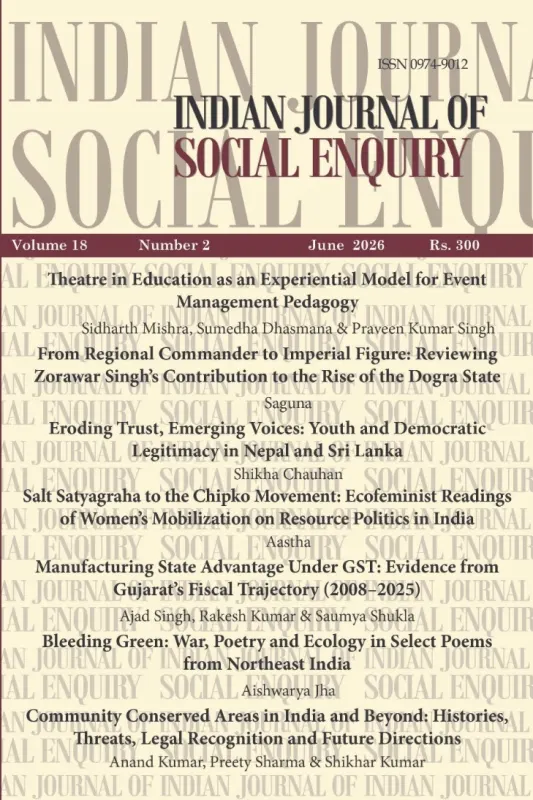
Theatre in Education as an Experiential Model for Event Management Pedagogy

Sidharth Mishra, Sumedha Dhasmana, Praveen Kumar Singh

Event Management is the process of planning, marketing, producing, analysing and evaluating an event. It is a crucial part of the course curriculum for the students of Journalism and Mass Communication at various colleges and universities. In 2021,Vivekananda School of Journalism and Mass Communication (VSJMC), Vivekananda Institute of Professional Studies - Technical Campus, brought an innovative pedagogical intervention in the teaching of Event Management. It integrated Theatre in Education (TiE) with Event Management curriculum. TiE is the structured use of theatrical performance and participatory drama strategies and nurtures emotional, cognitive, emotional, and social learning. In the last five years, VSJMC implemented this pedagogical experiment and created five prominent theatre productions. This paper brings forth the enhanced learning outcomes which were possible through the application of TiE in Event Management pedagogy.

Cover image for From Regional Commander to Imperial Figure: Reviewing Zorawar Singh’s Contribution to the Rise of the Dogra State

From Regional Commander to Imperial Figure: Reviewing Zorawar Singh’s Contribution to the Rise of the Dogra State

Saguna aguna

This review article summarises the literature on the role of Zorawar Singh in the development of the Dogra State in its military strategies, political influence, historical impact, and regional politics in order to fill gaps in the context of his multifaceted contribution to state formation in the Himalayas of the 19th century. The purpose of the review was to examine the knowledge of his military strategies, political impact, historical impacts, regional politics, and socialpolitical changes. The interdisciplinary studies that used archival research and historiographical critique were systematically analysed to incorporate the military, political, and socio-cultural viewpoints. Results have shown that the novel high-altitude military operations of Zorawar Singh played a central role in the expansion of the territory despite logistics problems; his political destiny, which was mainly military, helped him internalize Dogra and define its relationship with the neighbouring states and Britain. This review highlights the importance of military, political, and social analysis to understand the influence of Zorawar Singh on Himalayan geopolitics and contributes to modern discussions about state formation in the region and the politics of the border.

Cover image for Eroding Trust, Emerging Voices: Youth and Democratic Legitimacy in Nepal and Sri Lanka

Eroding Trust, Emerging Voices: Youth and Democratic Legitimacy in Nepal and Sri Lanka

Shikha Chauhan

This paper delves into the trajectory of democracy in Nepal and Sri Lanka which represent two distinct yet converging stories of political transformation in South Asia. While Nepal’s journey has been defined by a transition from monarchy to a federal democratic republic, Sri Lanka’s post-independence experience reflects a long-standing electoral democracy grappling with majoritarian politics, economic crises, and institutional stress. Despite their differing historical paths, both countries today face a common challenge: the erosion of democratic trust, particularly among younger citizens. Increasing corruption and mismanagement of public funds, the wide age gap between the rising Gen Z and ageing political leaders and the ensuing gap in aspirations, amongst other glaring problems has led to a trust deficit. The paper posits a multi-dimensional approach through civic and democratic engagement with Gen Z in both countries for a synergic renewal.

Publication Procedure

Learn about our 4-step publication process

Author Guidelines

Review requirements before submitting

Submit Article

Ready to submit your research?

85
Published Articles
104
Active Researchers
195
Countries
N/A
Impact Factor
Whatsapp